
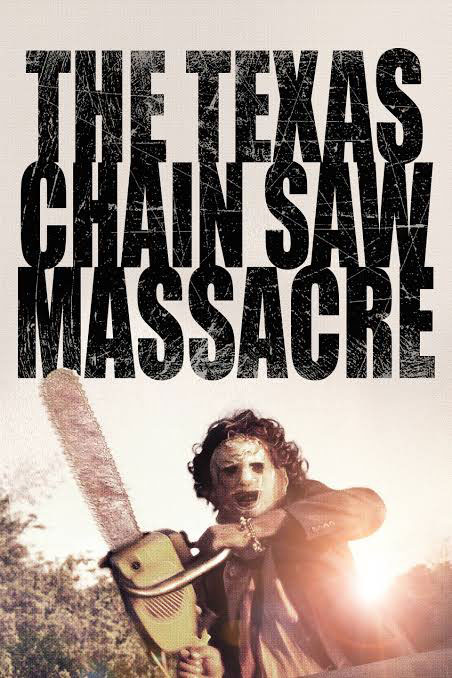
I hadn’t seen “The Texas Chainsaw Massacre” since the 1980s, when I first watched it at my cousin, Pam’s, house. She was a big Halloween fan, but I was still too young (and too scared) to handle the film’s chaotic terror. I remember leaving her house early that night, practically running home to my mama.
Fast-forward to last night when I caught the film on FUSE. It didn’t seem quite as frightening this time around — probably because I’ve seen far more horror movies since — but for anyone unfamiliar with the genre, “Chainsaw” still has the potential to scare the leggings off you.
I recently read an interesting review that compared the original 1974 “Texas Chainsaw Massacre” with its more recent remake. The critic pointed out something I’d never considered: the influence of the Vietnam War on the original.
Director Tobe Hooper reportedly used the war’s chaos and psychological trauma as a backdrop for the film’s atmosphere, suggesting that the brutality on screen mirrored the violence being broadcast from overseas.
I also stumbled across some chilling background on Ed Gein — the real-life murderer who inspired Leatherface. What I didn’t realize was that Gein was also the basis for “Psycho’s” Norman Bates and “Silence of the Lambs’” Buffalo Bill. Though Gein didn’t actually wield a chainsaw, he did wear human skin and create horrifying household “crafts” from body parts — details reflected in various horror films.
Gein’s crimes took place in Wisconsin, not Texas, and he didn’t hunt people down with a chainsaw. Instead, he robbed graves and murdered several women, using their remains for macabre decorations.
According to reports, Gein’s house resembled the “Chainsaw” farmhouse — complete with bone mobiles, lampshades made of skin, and a belt adorned with human nipples. (Clearly, someone skipped the episode of “Trading Spaces” where Vern discourages human-hide home décor.)
It’s clear that the idea of Leatherface isn’t just horror fiction — it’s a twisted tapestry woven from true crime, war trauma, and cultural stereotypes, particularly the “backwoods Southern psycho” trope.
If you’re interested in learning more about Ed Gein’s disturbing legacy, click here (not for the faint of heart).
