All posts filed under: TECHNOLOGY

A graphic of a hand holding a phone with the TikTok logo on it.

The TikTok Debate: Digital Freedom Versus Data Dystopia

’ve been a TikTok user for a few years now, and while I enjoy it, my bio pretty much sums up how I feel. It reads: “A person who isn’t really sure if TikTok is exciting or terrifying.”

That idea may capture the larger debate we’re having in the U.S. about TikTok. The discussions raise important questions about free speech, national security, and how we can protect users while keeping our digital freedoms intact.

After the recent Supreme Court hearing on the possible TikTok ban, two big questions come up: Does restricting a major platform push us closer to the authoritarianism we’re supposed to be against? Is a foreign platform, one that collects user data, a future dystopian threat?

Meet Hume AI’s Empathic Voice Interface (EVI), a system designed to hear what you say and understand how you feel. You can try it by visiting the Hume AI website.

AI With Empathy: How Hume AI’s Voice Interface is Redefining Human-AI Communication

If you’ve ever watched a science fiction movie like 2001: A Space Odyssey or seen episodes of the classic Twilight Zone, you’ve likely caught a glimpse of a future where humans verbally communicate with intelligent machines.

The infamous HAL 9000 from 2001 became a cautionary tale of AI independence. Yet, while that vision seemed far off, today, a more sophisticated—and empathetic—version of talking AI is already here.

Meet Hume AI’s Empathic Voice Interface (EVI), a system designed to hear what you say and understand how you feel. You can try it by visiting the Hume AI website.

Peace can be built from above by people who have power, but it can also be built from below. This was one of the key messages in a lecture given by Dr. Henrik Syse, a research professor from the Peace Research Institute in Oslo who teaches peace and conflict studies at Bjørknes University College.

Professor from Oslo’s Peace Research Institute Speaks with Class

Peace can be built from above by people who have power, but it can also be built from below.

This was one of the key messages in a lecture given by Dr. Henrik Syse, a research professor from the Peace Research Institute in Oslo who teaches peace and conflict studies at Bjørknes University College.

Syse spoke to students in Dr. Zenebe Beyene’s peace journalism class remotely via Zoom this week about “reflections on the Nobel Peace Prize and generating a conversation about peace.”

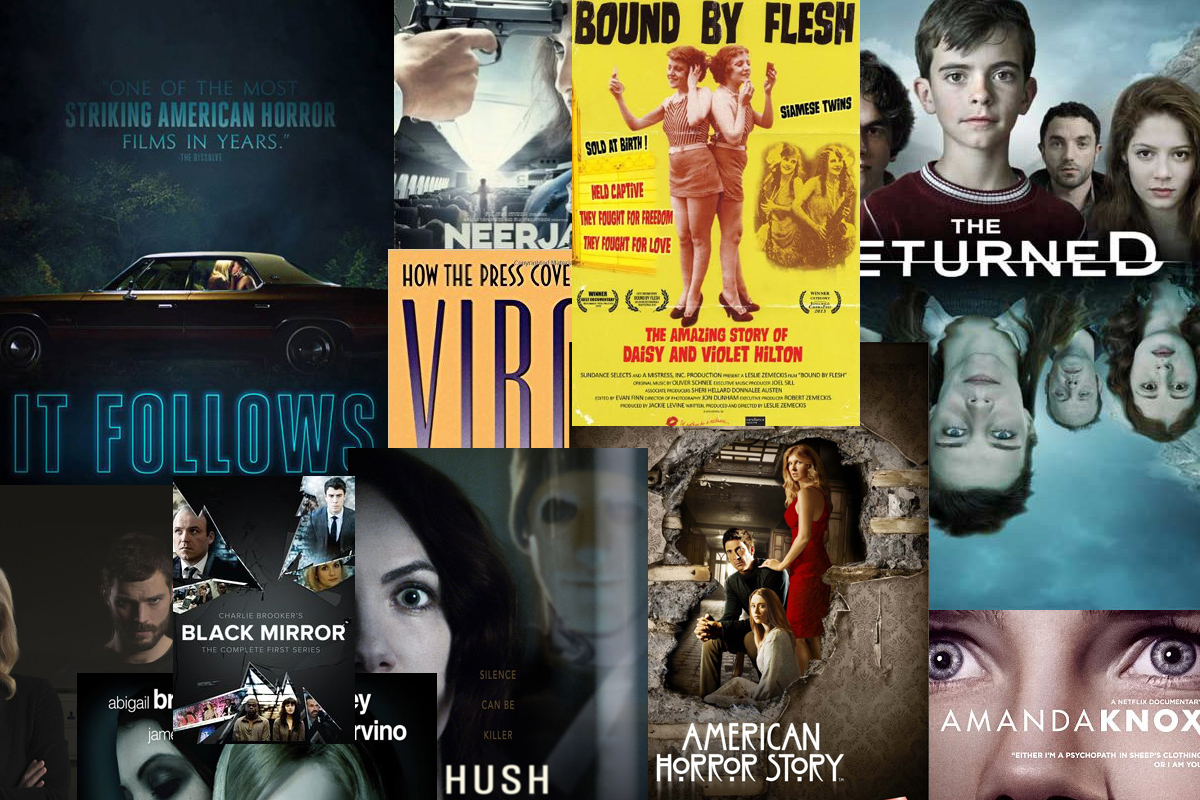
Thrilling thoughts about ‘Black Mirror’ and real ‘American Horror’ stories

Every now and then, I offer a list of some of the best horror/thriller movies, television shows and documentaries I’ve recently seen. Here they are:

Black Mirror: I originally began watching “Black Mirror” a couple of years ago when the first season came to Netflix. At the time, I was a little embarrassed to share with others some of the content of this British science fiction series set in the near future with a technology/social media theme.

A picture of the Oxford Stories awards.

Oxford Stories: A student-driven newsroom that’s changing the game

What began in the fall of 2015 as a simple website for University of Mississippi journalism students to publish their work has grown into something far more impactful.

This year, OxfordStories.net welcomed a new partner: The Northeast Mississippi Daily Journal. Like the original collaborators, The Daily Journal also featured student-written articles in its print edition, expanding the reach and influence of student journalism.

A photo of a computer screen with a love letter email.

An afterlife e-mail – Brandon woman receives message from late husband

To most people, Missy and Ross Parker had the kind of love story that sounded too good to be true. They met at church, served together in ministry, and built a joyful blended family of six. Every morning, they’d read the Bible, speak affirmations, and spoil each other like lifelong honeymooners.

Ross, a Mississippi College graduate and longtime Boy Scout leader, lived to serve — fixing things for friends in secret, helping with Habitat for Humanity, and leading divorce recovery sessions at church with Missy.

A statue of Charles Darwin.

Why Darwin’s ‘Origin of Species’ still sparks debate 150 years later — and why it’s worth reading today

With the 150th anniversary of “The Origin of Species” and the 200th anniversary of Charles Darwin’s birth falling just a year apart, New York Times science writer Olivia Judson recently predicted a surge of “Darwinmania.”

And for good reason — few scientists have had as lasting and polarizing an impact as Darwin, whose theory of natural selection reshaped our understanding of life on Earth.

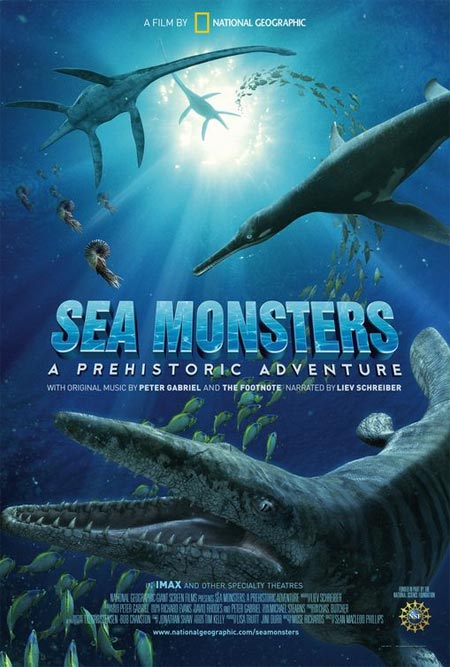
A poster for the movie "Sea Monsters."

Sea Monsters and Childhood Mysteries: National Geographic’s new film dives into prehistoric legends

“National Geographic’s” new film “Sea Monsters” is making waves — just not in Mississippi. Funded in part by a grant from the National Science Foundation, the film dives deep into the prehistoric oceans that once covered North America, exploring ancient creatures believed to have inspired legends like the Loch Ness Monster.

Roughly 80 million years ago, areas like Kansas were submerged beneath a vast inland sea, where giant marine reptiles roamed. The movie blends scientific discovery with legend, shedding light on the real-life creatures behind age-old myths. For anyone who grew up fascinated by dinosaurs or sea serpents, this one might stir up some serious nostalgia.

A company called LumiGram is now making shirts, purses, pillows, table cloths, etc., out of fiberoptic material. I guess it's a step beyond glow-in-the-dark.

Glow-Up Fashion: LumiGram’s fiber optic clothing brings disco back to the future

A French company called LumiGram is taking fashion and home décor into the future — literally — with its line of products made from fiber optic fabric.

That’s right — shirts, purses, pillows, tablecloths, and even jackets now glow with a radiant shimmer, thanks to embedded fiber optic strands that light up in the dark. Think of it as a high-tech twist on glow-in-the-dark, with a bit more flair and definitely more wattage.

My avatar in Second Life.

How one woman became a virtual millionaire — And what happened when I entered the world of Second Life

Did you know you can make real money in a virtual world? Ailin Graef, a Chinese-born German citizen, recently became the first person to be recognized as a virtual millionaire, thanks to her success in the online game Second Life. That’s right — she didn’t mine gold or strike oil; she traded in digital land and virtual fashion, turning her avatar, Anshe Chung, into a real-world success story.

Intrigued by this unlikely tale of digital fortune, I decided to explore Second Life myself — part curiosity, part hopeful investor. What I found was something between a futuristic economy, a Sims-style social experiment, and a mildly chaotic carnival of avatars, flying people, casinos, fashionistas, and yes — gunfire.