All posts tagged: movies

The film poster for "Idiocracy."

‘Idiocracy’ Review: A darkly funny look at a future overrun by stupidity

In “Idiocracy,” an offbeat sci-fi satire from “Beavis and Butt-Head” creator Mike Judge, two ordinary people (played by Maya Rudolph and Luke Wilson) are chosen for a government time travel experiment. But things go hilariously wrong, and they wake up in the year 2505 — where intelligence is practically extinct.

In this dystopian future, society has been overrun by people who made their way to the gene pool without much thought — think Jerry Springer guests en masse. Smart individuals, who often delayed or debated having children, have been far outnumbered. As a result, the “average” time travelers are now the smartest humans alive.

The film poster or "Marie Antoinette."

‘Marie Antoinette’ Review: Sofia Coppola’s stylish biopic lacks substance and struggle

Sofia Coppola’s “Marie Antoinette” dazzles visually but falls flat emotionally, revealing the limitations of a film that leans too heavily on aesthetics without delivering the depth of its subject. The cinematography is breathtaking, the costumes extravagant, and the French landscapes mesmerizing — but the film feels more like a designer photo shoot than a compelling historical drama.

Starring Kirsten Dunst as the ill-fated young queen, the film attempts to modernize Marie’s teenage angst by layering a rebellious rock soundtrack over 18th-century decadence. The concept — bold and trendy on paper — ultimately feels gimmicky. Rather than enhancing the storytelling, it distances the audience and feels more like a marketing strategy aimed at Gen Z than an artistic choice.

A hand floats in the ocean, representing the idea of horror.

Stephen King’s ‘Nightmares & Dreamscapes’ vs. ‘Masters of Horror’: Which series delivers the bigger scares?

If you’re a fan of horror anthologies, you may have come across Stephen King’s “Nightmares and Dreamscapes,” the 2006 TNT miniseries based on King’s short stories. While the show delivers a few compelling moments, it doesn’t quite reach the chilling heights of Showtime’s edgier “Masters of Horror” series.

One of the standout episodes from “Nightmares and Dreamscapes” is “The End of the Whole Mess,” a haunting tale about a genius who creates a serum to end human aggression — only to trigger a global catastrophe. Another worth-watching installment is “Autopsy Room Four,” featuring Richard Thomas (John-Boy from “The Waltons”) in a role that’s a far cry from his wholesome TV past.

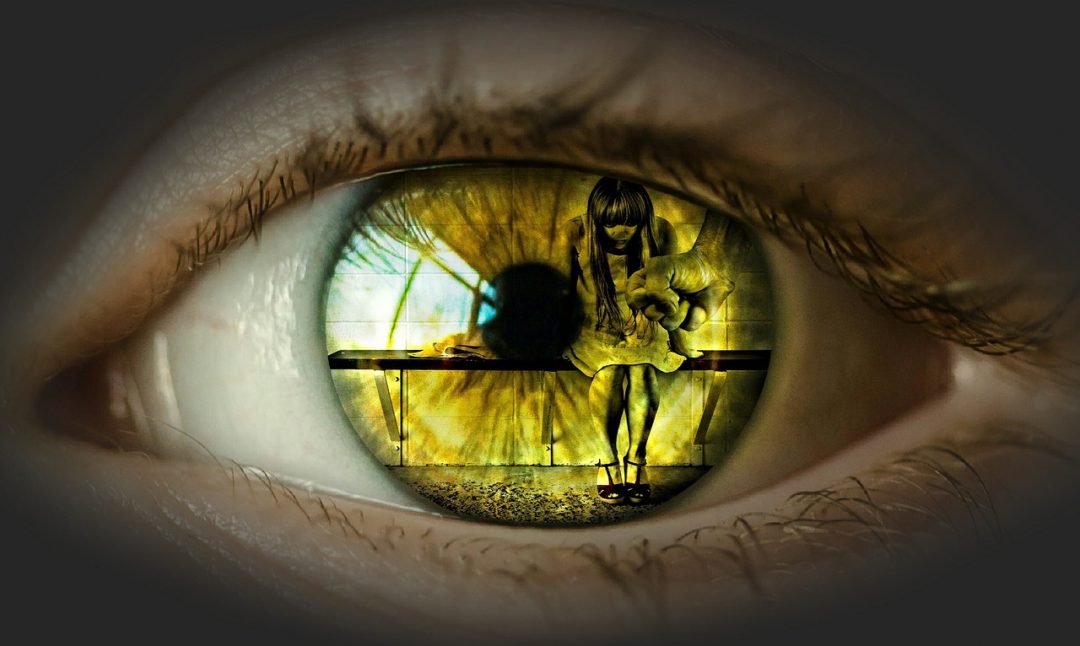
An eyeball with a reflection of horror.

Film Review: ‘Don’t Look Now’ should be heeded by viewers

If I had watched this “psychic thriller” in 1973, (which would have been difficult since I was born in 1974) I probably would have found it eerie and disturbing, but 30 years later, it just doesn’t have much impact.

It’s about a couple, John and Laura Baxter, whose young daughter drowns in a pond at their home. They later go to Venice, where Laura (Julie Christie) meets a psychic who tells her she has seen her daughter and that she is happy. John (Donald Sutherland) also begins to see someone resembling the daughter running around the city, so he follows her, which proves to be a very bad decision.

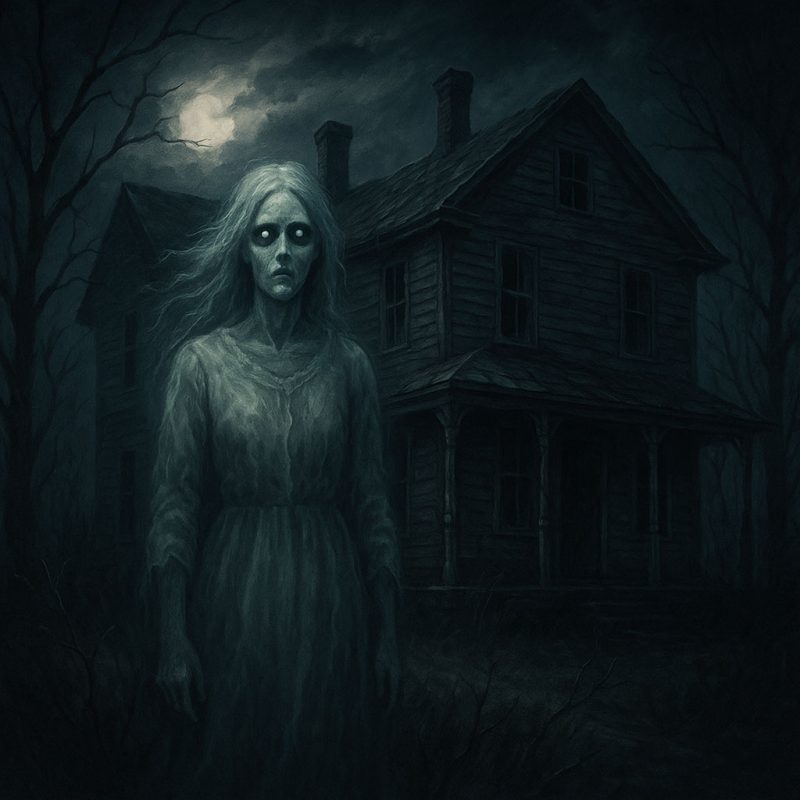
A spooky picture of a ghost lady.

A Psychological Thriller Rooted in Folklore: ‘An American Haunting’ and the Bell Witch legend

Intrigued by the notion that someone had created a horror film based on the Southern ghost story of the Bell Witch — a tale I’ve heard whispers of growing up near Tennessee — I recently rented “An American Haunting” hoping to uncover more about this mysterious legend. To my surprise, the film is one of the few horror movies I’ve seen that explores supernatural torment and possession through the lens of psychological trauma.

Set in early 1800s Tennessee, the movie tells the haunting story of young Betsy Bell, a once-lively, flirtatious teenager who abruptly transforms into a withdrawn, exhausted version of herself. She confesses to her teacher that she’s unable to sleep, haunted by a terrifying presence that visits her at night. Her sudden decline sets off a series of terrifying events.

An illustration for a column about road trip movies.

Rest Stop Horror: The new subgenre redefining road trips in film

Anyone who’s ever taken a long road trip knows the moment: You pull into a random gas station or rest stop — tired, hungry, desperate for a bathroom — and what greets you is a scene straight out of your worst nightmares. Filthy floors, broken faucets, the unmistakable stench of neglect. But what if that unsettling experience was just the beginning of something far more sinister?

That’s the premise behind the aptly titled horror flick “Rest Stop,” a gritty B-grade film that turns the familiar discomfort of roadside travel into a full-blown horror show. When two rebellious teens run away to Los Angeles, they make the fatal mistake of pulling into a rest stop that’s become the stalking ground of a deranged killer — a death trap decades in the making.

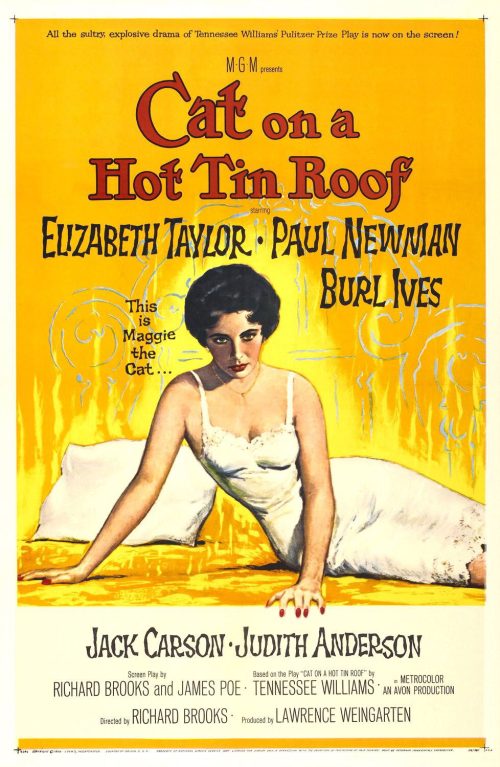
The film poster for "Cat on a Hot Tin Roof."

What Is Mendacity? Watch ‘Cat on a Hot Tin Roof’ and find out

If you’ve never heard the word mendacity before, you’ll walk away from “Cat on a Hot Tin Roof” with a full understanding of what it means — and why it matters.

In this emotionally-charged drama adapted from the Tennessee Williams play, lies, half-truths, and buried secrets swirl through a wealthy Mississippi family as they prepare for the inevitable death of their patriarch.

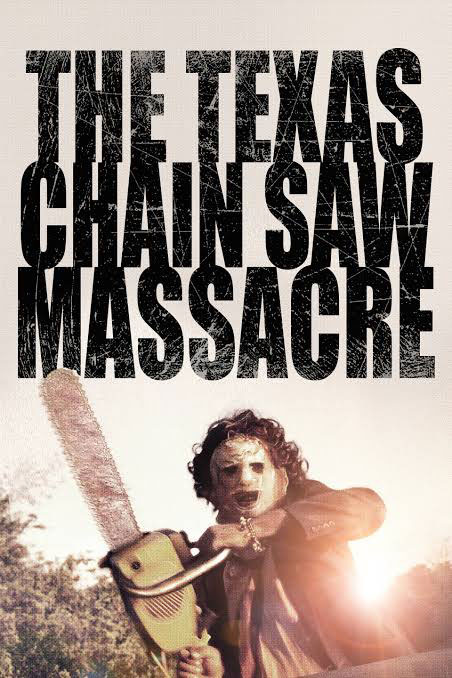
The movie poster for "The Texas Chainsaw Massacre."

The Real Horror Behind Leatherface: Revisiting ‘The Texas Chainsaw Massacre’

I hadn’t seen “The Texas Chainsaw Massacre” since the 1980s, when I first watched it at my cousin, Pam’s, house. She was a big Halloween fan, but I was still too young (and too scared) to handle the film’s chaotic terror. I remember leaving her house early that night, practically running home to my mama.

Fast-forward to last night when I caught the film on FUSE. It didn’t seem quite as frightening this time around — probably because I’ve seen far more horror movies since — but for anyone unfamiliar with the genre, “Chainsaw” still has the potential to scare the leggings off you.

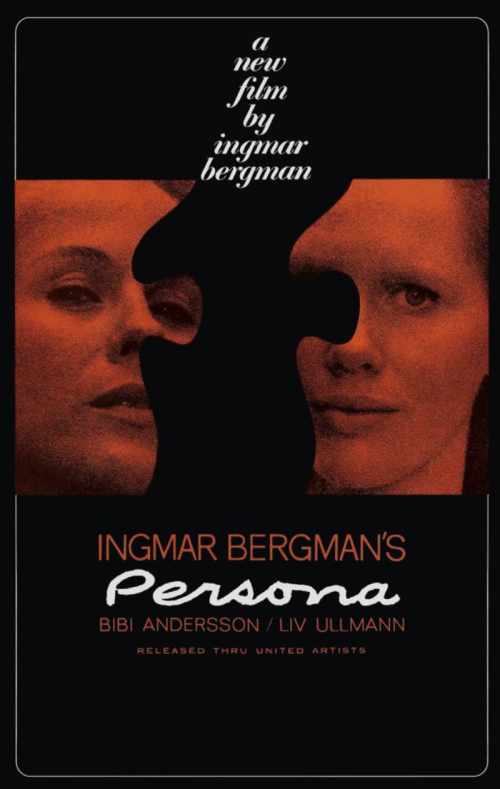
The poster for the film "Persona."

Exploring Identity and the Mind in Bergman’s Persona

LaReeca Rucker I rented the 1967 film “Persona” after reading multiple articles that referenced it in connection with other psychologically complex films. Since I had recently watched David Lynch’s surreal, open-ended “Mulholland Drive,” it seemed like the right time to give Ingmar Bergman’s classic a try. The two films share some intriguing similarities — most notably, their exploration of the psychological bond and blurred identities between two women. “Persona” focuses on a nurse and her patient, whose personalities begin to merge in strange and unsettling ways. It’s an intense, cerebral dive into identity, silence, and emotional trauma. If I hadn’t already seen some of Roman Polanski’s earlier films, like “Repulsion,” I might have been more shaken by “Persona.” But “Repulsion” — another raw, disturbing examination of the female psyche — had already prepped me to expect a certain level of intensity from 1960s European psychological cinema. Still, “Persona” is a strong example of how film can probe corners of the mind that most movies never attempt to reach. Its experimental feel and avant-garde cinematography are …