Author: journo

The revival of bold wallpaper.

Retro Revival: Bold wallpaper trends bring the ’70s back in style

Remember the 1980s trend where every other house had wallpaper borders running along the tops of walls? Whether it was apples, country ducks, hunting dogs, or (yes) drunk roller-skating clowns, you couldn’t walk into a home without seeing some kind of whimsical or cheesy print staring back at you.

What you may not know is that wallpaper — and especially those quirky borders — quietly disappeared in the 1990s when sleek, modern decorators declared war on anything that wasn’t a smooth, painted wall. For years, “updated” meant stripping down to neutral colors and bare surfaces. But as with many things in design, what goes out of style always finds a way to come back.

An image of bags and money that represents excess spending.

The $155 million mansion and the cost of living large in a world of need

Is it just me, or do you ever feel a little queasy when you hear about people spending absurd amounts of money on things no one really needs?

Take MTV’s “My Super Sweet 16,” for example. Every episode centers around a painfully spoiled teenager whose parents drop hundreds of thousands of dollars to stage over-the-top birthday extravaganzas — complete with luxury cars, celebrity cameos, and tantrums. It’s like watching the Academy Awards on a budget of bad parenting.

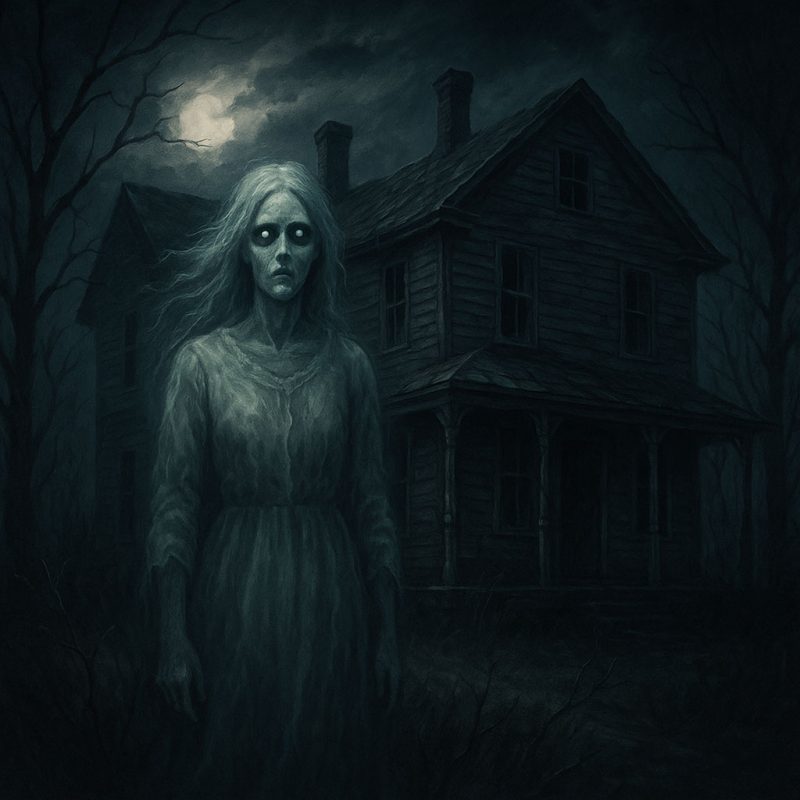
A spooky picture of a ghost lady.

A Psychological Thriller Rooted in Folklore: ‘An American Haunting’ and the Bell Witch legend

Intrigued by the notion that someone had created a horror film based on the Southern ghost story of the Bell Witch — a tale I’ve heard whispers of growing up near Tennessee — I recently rented “An American Haunting” hoping to uncover more about this mysterious legend. To my surprise, the film is one of the few horror movies I’ve seen that explores supernatural torment and possession through the lens of psychological trauma.

Set in early 1800s Tennessee, the movie tells the haunting story of young Betsy Bell, a once-lively, flirtatious teenager who abruptly transforms into a withdrawn, exhausted version of herself. She confesses to her teacher that she’s unable to sleep, haunted by a terrifying presence that visits her at night. Her sudden decline sets off a series of terrifying events.

A company called LumiGram is now making shirts, purses, pillows, table cloths, etc., out of fiberoptic material. I guess it's a step beyond glow-in-the-dark.

Glow-Up Fashion: LumiGram’s fiber optic clothing brings disco back to the future

A French company called LumiGram is taking fashion and home décor into the future — literally — with its line of products made from fiber optic fabric.

That’s right — shirts, purses, pillows, tablecloths, and even jackets now glow with a radiant shimmer, thanks to embedded fiber optic strands that light up in the dark. Think of it as a high-tech twist on glow-in-the-dark, with a bit more flair and definitely more wattage.

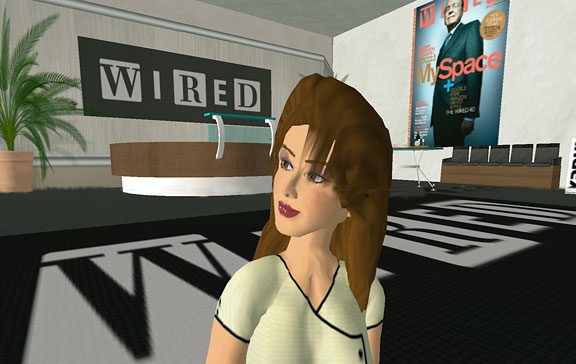
My avatar in Second Life.

How one woman became a virtual millionaire — And what happened when I entered the world of Second Life

Did you know you can make real money in a virtual world? Ailin Graef, a Chinese-born German citizen, recently became the first person to be recognized as a virtual millionaire, thanks to her success in the online game Second Life. That’s right — she didn’t mine gold or strike oil; she traded in digital land and virtual fashion, turning her avatar, Anshe Chung, into a real-world success story.

Intrigued by this unlikely tale of digital fortune, I decided to explore Second Life myself — part curiosity, part hopeful investor. What I found was something between a futuristic economy, a Sims-style social experiment, and a mildly chaotic carnival of avatars, flying people, casinos, fashionistas, and yes — gunfire.

An illustration for a column about road trip movies.

Rest Stop Horror: The new subgenre redefining road trips in film

Anyone who’s ever taken a long road trip knows the moment: You pull into a random gas station or rest stop — tired, hungry, desperate for a bathroom — and what greets you is a scene straight out of your worst nightmares. Filthy floors, broken faucets, the unmistakable stench of neglect. But what if that unsettling experience was just the beginning of something far more sinister?

That’s the premise behind the aptly titled horror flick “Rest Stop,” a gritty B-grade film that turns the familiar discomfort of roadside travel into a full-blown horror show. When two rebellious teens run away to Los Angeles, they make the fatal mistake of pulling into a rest stop that’s become the stalking ground of a deranged killer — a death trap decades in the making.

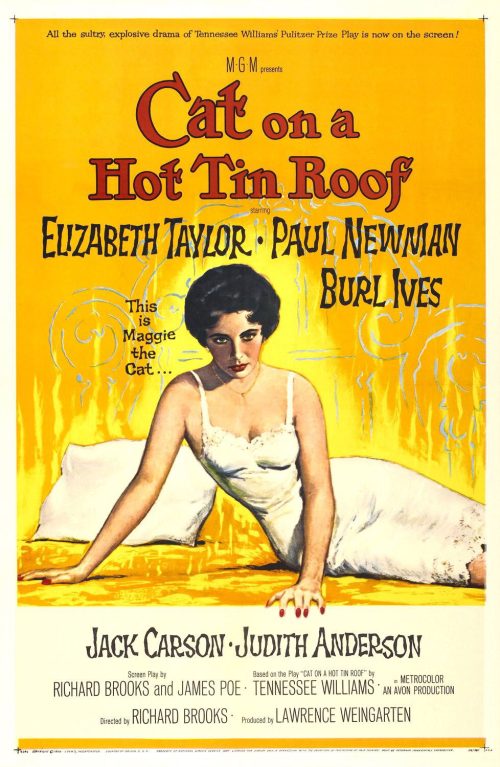
The film poster for "Cat on a Hot Tin Roof."

What Is Mendacity? Watch ‘Cat on a Hot Tin Roof’ and find out

If you’ve never heard the word mendacity before, you’ll walk away from “Cat on a Hot Tin Roof” with a full understanding of what it means — and why it matters.

In this emotionally-charged drama adapted from the Tennessee Williams play, lies, half-truths, and buried secrets swirl through a wealthy Mississippi family as they prepare for the inevitable death of their patriarch.

The movie poster for "The Texas Chainsaw Massacre."

The Real Horror Behind Leatherface: Revisiting ‘The Texas Chainsaw Massacre’

I hadn’t seen “The Texas Chainsaw Massacre” since the 1980s, when I first watched it at my cousin, Pam’s, house. She was a big Halloween fan, but I was still too young (and too scared) to handle the film’s chaotic terror. I remember leaving her house early that night, practically running home to my mama.

Fast-forward to last night when I caught the film on FUSE. It didn’t seem quite as frightening this time around — probably because I’ve seen far more horror movies since — but for anyone unfamiliar with the genre, “Chainsaw” still has the potential to scare the leggings off you.

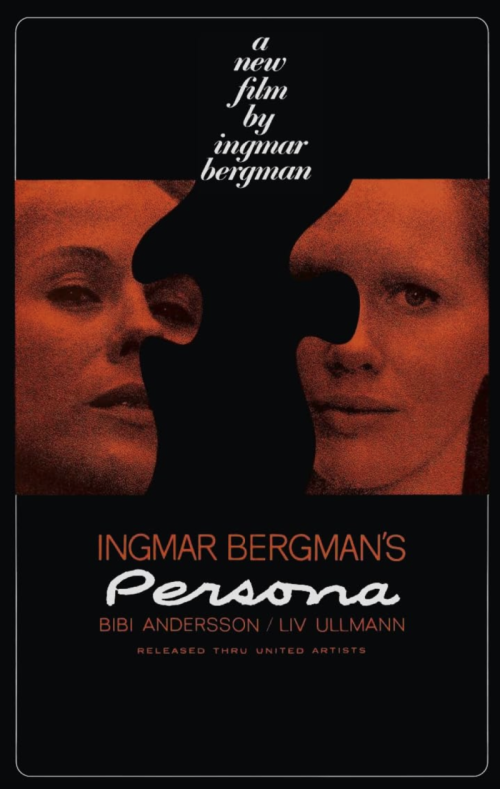
The poster for the film "Persona."

Exploring Identity and the Mind in Bergman’s Persona

LaReeca Rucker I rented the 1967 film “Persona” after reading multiple articles that referenced it in connection with other psychologically complex films. Since I had recently watched David Lynch’s surreal, open-ended “Mulholland Drive,” it seemed like the right time to give Ingmar Bergman’s classic a try. The two films share some intriguing similarities — most notably, their exploration of the psychological bond and blurred identities between two women. “Persona” focuses on a nurse and her patient, whose personalities begin to merge in strange and unsettling ways. It’s an intense, cerebral dive into identity, silence, and emotional trauma. If I hadn’t already seen some of Roman Polanski’s earlier films, like “Repulsion,” I might have been more shaken by “Persona.” But “Repulsion” — another raw, disturbing examination of the female psyche — had already prepped me to expect a certain level of intensity from 1960s European psychological cinema. Still, “Persona” is a strong example of how film can probe corners of the mind that most movies never attempt to reach. Its experimental feel and avant-garde cinematography are …