All posts filed under: ART

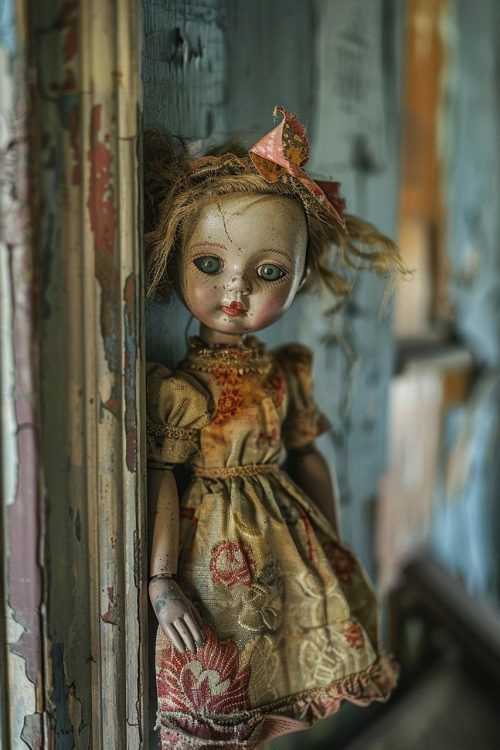
An image of a creepy doll.

Creepy dolls, Stephen King, and the artist who brings nightmares to life

Have you ever locked eyes with a porcelain doll on a shelf and instantly felt a chill crawl up your spine? If so, you’re not alone — and horror icon Stephen King would probably agree with you. Dolls have long been the stuff of nightmares in King’s world, from murderous clowns to animated Army men with a vendetta.

King’s fear of dolls is well-documented across his work. In “Poltergeist,” which he helped write for the screen, a young boy’s fear of a clown doll turns disturbingly real when the toy attacks. In “The X-Files,” King penned an episode centered around a haunted doll, and one of the darkest vignettes in his “Nightmares and Dreamscapes” series features actor William Hurt being hunted by vindictive toys — tiny green Army men that eventually bring about his demise.
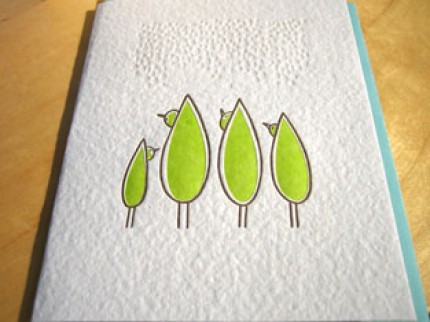
You can plant a greeting card?

Plantable Greeting Cards: Send a message that blooms with wildflowers

Did you know you can actually plant a greeting card and grow flowers from it? That’s right — your next heartfelt note could double as a wildflower garden, thanks to the clever, eco-conscious creations from Round Robin Press. These beautiful cards aren’t just for show; they’re embedded with real wildflower seeds that can bloom once planted in soil.

Created by artist Shannon Lowry, the cards are printed on recycled paper and feature calming, nature-inspired illustrations — primarily of birds. For Lowry, birds symbolize peace, joy, and the quiet strength of nature.

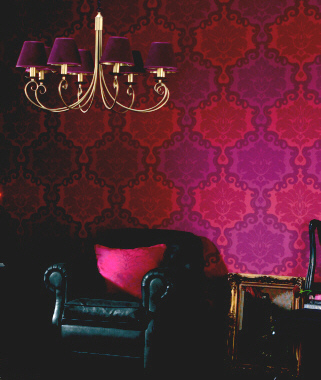
The revival of bold wallpaper.

Retro Revival: Bold wallpaper trends bring the ’70s back in style

Remember the 1980s trend where every other house had wallpaper borders running along the tops of walls? Whether it was apples, country ducks, hunting dogs, or (yes) drunk roller-skating clowns, you couldn’t walk into a home without seeing some kind of whimsical or cheesy print staring back at you.

What you may not know is that wallpaper — and especially those quirky borders — quietly disappeared in the 1990s when sleek, modern decorators declared war on anything that wasn’t a smooth, painted wall. For years, “updated” meant stripping down to neutral colors and bare surfaces. But as with many things in design, what goes out of style always finds a way to come back.

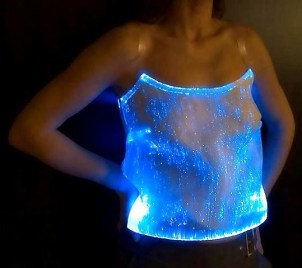
A company called LumiGram is now making shirts, purses, pillows, table cloths, etc., out of fiberoptic material. I guess it's a step beyond glow-in-the-dark.

Glow-Up Fashion: LumiGram’s fiber optic clothing brings disco back to the future

A French company called LumiGram is taking fashion and home décor into the future — literally — with its line of products made from fiber optic fabric.

That’s right — shirts, purses, pillows, tablecloths, and even jackets now glow with a radiant shimmer, thanks to embedded fiber optic strands that light up in the dark. Think of it as a high-tech twist on glow-in-the-dark, with a bit more flair and definitely more wattage.

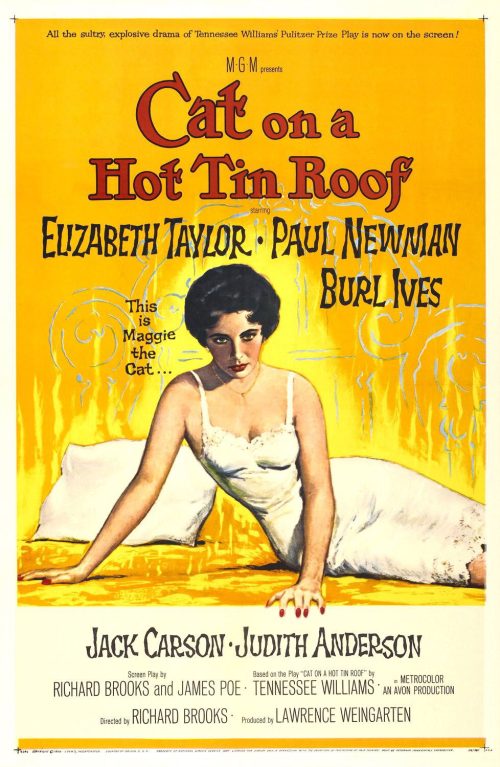
The film poster for "Cat on a Hot Tin Roof."

What Is Mendacity? Watch ‘Cat on a Hot Tin Roof’ and find out

If you’ve never heard the word mendacity before, you’ll walk away from “Cat on a Hot Tin Roof” with a full understanding of what it means — and why it matters.

In this emotionally-charged drama adapted from the Tennessee Williams play, lies, half-truths, and buried secrets swirl through a wealthy Mississippi family as they prepare for the inevitable death of their patriarch.

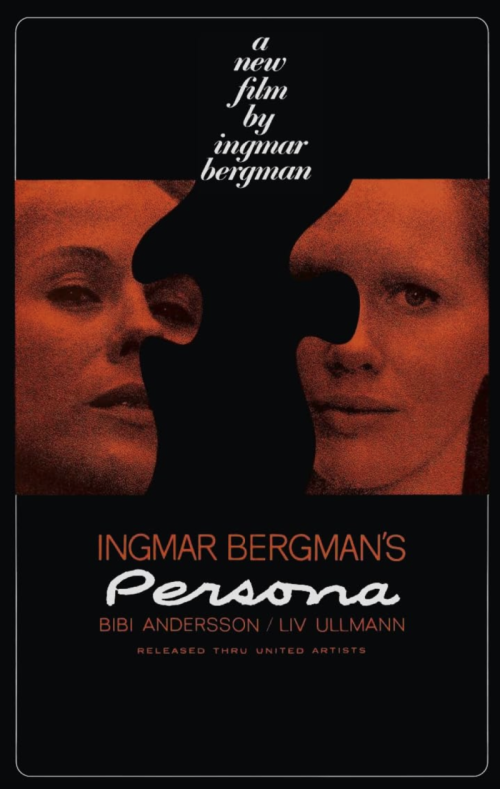
The poster for the film "Persona."

Exploring Identity and the Mind in Bergman’s Persona

LaReeca Rucker I rented the 1967 film “Persona” after reading multiple articles that referenced it in connection with other psychologically complex films. Since I had recently watched David Lynch’s surreal, open-ended “Mulholland Drive,” it seemed like the right time to give Ingmar Bergman’s classic a try. The two films share some intriguing similarities — most notably, their exploration of the psychological bond and blurred identities between two women. “Persona” focuses on a nurse and her patient, whose personalities begin to merge in strange and unsettling ways. It’s an intense, cerebral dive into identity, silence, and emotional trauma. If I hadn’t already seen some of Roman Polanski’s earlier films, like “Repulsion,” I might have been more shaken by “Persona.” But “Repulsion” — another raw, disturbing examination of the female psyche — had already prepped me to expect a certain level of intensity from 1960s European psychological cinema. Still, “Persona” is a strong example of how film can probe corners of the mind that most movies never attempt to reach. Its experimental feel and avant-garde cinematography are …